Search Results
98 items found for ""
- 10 Common Myths About Therapy
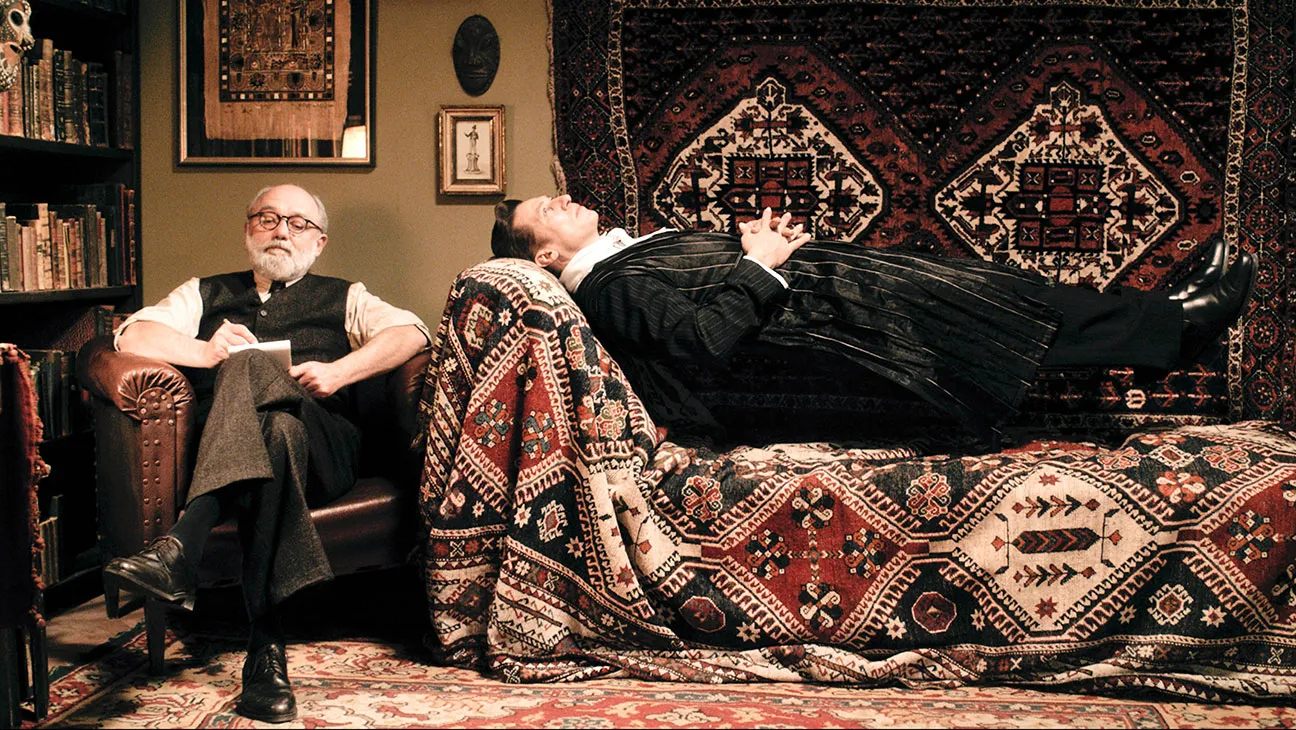
Therapy is often seen as a mysterious thing for those who haven't seen a therapist themselves. Oftentimes, people may imagine it like this: Which is kind of outdated, to say the least. People might also have certain preconceptions not just about what therapy is or what it looks like, but also about what types of people go to therapy and what therapy is for. In this article, I will examine ten misconceptions about therapy and why they're wrong. You have to be diagnosed with a mental illness to go to therapy. This is not true. Although therapists can help those diagnosed with a mental illness, they are also there to talk to people who don't have any particular mental health struggles but need someone to talk to. Therapy can help someone adjust to big life changes, manage stress, gain a better understanding of themselves, or increase self-esteem. There's no reason to go to therapy when you can just read self-help books and give yourself therapy. There's no such thing as "self-therapy." You can journal all you want, write down all your problems, and read as many self-help books as you can, but the problem is that our brains are not wired to be truly objective when it comes to ourselves. There are so many different cognitive biases that we intrinsically fall prey to. This means that often, we're not aware of what our real issues are, how to realistically solve them, or what we're doing that isn't helpful. Also, especially if we're struggling, it is hard to be honest with ourselves. That's why therapy can help give us a broader and more complete understanding of our lives - something that is hard to do alone. When you go to therapy you lie down on a bed and someone asks you about your dreams. Sometimes, people who have never been to therapy just imagine every psychologist in the world to be a replica of Freud. Because most psychologists today are quite questioning of Freud's ideas, it's not very common for therapists anymore to practice psychoanalytic/psychodynamic therapy (which is what Freud is renowned for developing), which would require you to lay down on a bed and talk about your dreams and every thought that pops into your head. Therapy nowadays is often much different - it's like sitting in a living room on couches across from one another. If you go to therapy you will be forced to talk about your childhood (and then all your problems will be blamed on that). Once again, this is another myth that probably stems from Freud's work. Although some therapists may ask for contextual information surrounding your past or childhood, good therapists won't a) force you to talk about it and b) will not blame any of your current problems on that, either. Boundaries are an extremely important thing in therapy, and therefore, you will never feel coerced or forced to talk about anything uncomfortable to you. Therapists can "fix" you in two sessions. Unfortunately, your mind isn't so plastic that just two sessions will magically fix everything and make you a whole different person (as well, "fixing" people isn't the goal of therapy; more on that maybe in another article). Additionally, therapy is not a passive process - it requires the client to enact change in their life and actively participate in the experience. Also, some people might have some resistance to therapy at first or might not want to talk about specific problems until they build up trust with their therapist. This is normal but means it might take longer than two sessions to get to the "root" of things. You will immediately feel relieved after your first therapy session. Sometimes, therapy sessions might be difficult and bring up some hard emotions. Especially if you talk about something that is close to you or is difficult to discuss, the feelings after a therapy session might be of relief, but it could also be a combination of feeling overwhelmed or in some pain. This is usually normal, but a good therapist will help guide you through it and make you feel more comfortable with the discomfort. Your problems are not "serious enough" to talk to a therapist about. It's common for people, even those who might be deeply struggling, to have imposter syndrome when it comes to therapy. They might think, "my problems are not serious enough to talk to a therapist," or "my therapist will probably think I'm a joke since all their other clients probably have it way harder." The reality is there's no "minimum" for how much you have to be struggling before you go to therapy. There are so many different reasons to talk to a professional, and they're used to talking to all kinds of people with all kinds of different lives. If you feel like talking to a therapist could be useful for you, that's really the only guideline you need regarding whether you should do it or not. Therapists are just like friends who you can talk to about all your problems. Unfortunately (and fortunately) it doesn't work this way. Therapists must maintain professional boundaries with their clients. Friendship can skew professional guidelines, as well as actively violate the ethical guidelines that therapists must abide by! Friendship works much differently, and therapists need to remain objective and non-judgmental in their practice. Plus, it's not really healthy to be paying somebody just to be your friend. Additionally, good therapists will want you to get better and eventually improve, not continue seeing them forever, which might be their goal if they do become close friends with you. Therapists don't need therapy themselves (that would make them a bad therapist). If therapists believed that going to therapy themselves would make them bad therapists, then that would be a major red flag! It would be like a doctor who doesn't believe in getting a checkup. Therapists want to be able to be their best selves so they're able to provide the best services to their clients, so talking about their issues is more helpful for their clients than them not seeking or believing in therapy. Additionally, as I discussed before, it's not really that beneficial to rely on yourself for therapy. Even if you're a trained psychologist, you're still not going to be able to give yourself quality therapy. Many therapists will still see a therapist themselves, even though some people believe this is a red flag. Everyone will judge me if they know I go to therapy! Going to therapy is becoming more and more normalized and common. Although people may be judgmental about the idea of going to therapy - especially depending on people's different backgrounds, ideologies, or cultures - I believe that over time, it will become more and more normalized and celebrated to seek professional counselling. People who are judgmental about therapy might have certain preconceptions about what therapy is and who it is for. If you know anyone who has certain opinions about therapy, maybe send them this article and see what they think! What are some other misconceptions about therapy? Do you have any preconceptions or beliefs about therapists or those who go to therapy? Let me know in the comments below!
- How to Make Each Enneagram Type Love You
A foolproof way to create beautiful connections with your friends and romantic partners. Type One: The Perfectionist Ask them for their advice or their opinions on important matters. Ones love when their ideas are taken seriously. When it comes to important topics and life decisions, Ones will feel extremely valued if you ask them what they think. Be the breath of fresh air that balances out their serious side. Ones are so purpose-driven and hard-working that they sometimes forget to relax. Help them have some fun by planning out different activities that make them happy. But don't be too playful and poke fun at their extreme dedication to their principles, or they might get upset. Be punctual. Show your commitment and care for them by being there when you say you will be. Ones want someone who is as true to their word as they are. Show appreciation for their high standards and ethics. And make sure you are aware of what their standards are so you can meet them! Ones won't just settle for anyone, so if you're trying to make one fall in love with you, be prepared to get your life together. Respect their need for order and structure. Don't make fun of them for not being able to go with the flow. Show empathy for their inner critic. Ones will often get caught up in self-criticism; give them lots of reassurance and support, and remind them of how amazing they are. Share your own values. Ones are very value-driven, and will appreciate knowing what your personal code of ethics are. They like people who are very morally-grounded, so try not to be too unethical. Type Two: The Helper Acknowledge their natural generosity and kindness. Twos are usually among the first to offer a hand to those around them, so make sure you give them a pat on the back. They hate feeling unappreciated or being taken for granted. Listen attentively to their concerns and emotions. Twos sometimes will push their own needs aside for those around them. If they open up to you about their feelings, make sure you give your full attention to them! Put their hobbies and interests first once in a while! They usually like to go along with activities that other people like to make them happy. Prioritize some of their hobbies and leisure activities; they will love it. Actively ask them what their needs are. Twos are so used to taking care of others that sometimes, all they want is permission to voice their needs. At the same time, they fear that doing so will hurt their partner and no one will love them anymore. Create an emotionally safe space for them, which will allow them to share what they’re feeling. Actively help and support them. Twos won't usually speak up when they need help, so even if you say, "I'm here if you need me," they sometimes won't reach out. Doing something for them without them even having to ask makes them extremely happy. Be open to receiving their care. Twos feel gratified when they get to help those around them. So allow yourself to be vulnerable with them and open up and express your needs. They love to rise to the occasion. Just remember point one, and don't take them for granted! Express your affection for them. Words of validation go a long way for them. Be intentional and express your gratitude for them regularly. Respect their boundaries. Twos can have a hard time saying no, so if they do, make sure you respect it. Encourage them to stand up for themselves and prioritize their own needs first to make sure they avoid getting burnt out. You can't help other people if you feel exhausted and empty, but Twos will sometimes do just that. Pay attention to their needs and health because they sometimes forget to do that. Remind them to take some time for themselves and relax a little bit. Type Three: The Achiever Acknowledge their personal traits. Threes are suckers for flattery, and they are used to others going off about their accomplishments and drive for success. If you simply are like everyone else and compliment them on what they have achieved, you'll be forgettable. So try to praise them for their internal traits rather than external achievements. Respect their time and commitment to their objectives. Threes will sometimes be workaholics, and they want you to be able to accept that. Be hardworking yourself. One of the biggest turn-offs for Threes is someone who doesn't have their life together themselves. Make sure you have ambition before you try to seduce them, or you will be going nowhere. Impress them with your accomplishments, but don't be competitive. If Threes feel like you are trying to compete with them, they will view you as an enemy rather than a potential lover. Show them that you're ambitious and successful, but don't do it in a way that is threatening. Encourage work-life balance and relaxation. Threes will sometimes get so caught up in their to-do lists and passions that they forget to take a break. Be there for them and plan activities that help them relax a bit. Focus on the practical aspects of your relationship. Threes can have a romantic side, but it takes a while for them to open up to that. Try to avoid being too flowery, cheesy, or future-oriented at the start. Talk about the more practical aspects of being in a relationship with them and let them know what dating you could offer. Type Four: The Romantic Allow them to be melodramatic and miserable sometimes. The last thing a Four needs is for you to dismiss or trivialize their emotions. Fours can have a lot of mood swings so they need someone who understands that and is patient with them. Respect their need for authenticity. Fours will be themselves no matter what, whether you like it or not. If they feel that you're critical or judgmental, they'll usually just not give you the time of day. They'd rather be alone than be around someone that compromises their need to truly express who they are. Respect their need for space and solitutude. Fours sometimes will need time alone to express themselves and be introspective. Especially after a significant experience, they want to be able to sit alone with their thoughts and contemplate. Be used to them needing time alone and respect it. Engage in deep, meaningful conversations. Fours aren't the type for superficial conversations. They loathe small talk. If you're taking a Four on a date, consider starting a conversation about something meaningful, like goals and aspirations, childhood memories, their favourite life lessons, or their values. Share your own feelings and emotions authentically. Fours need someone who understands the importance of being open and real about feelings. They want someone who can at least attempt to be as authentic as they are. Be non-judgmental when talking about other people. If Fours feel like you judge other people for expressing themselves, they might feel like you don't respect their authenticity either, which would be a big turn-off for them. Celebrate their originality and artistic talents. Fours love people who understand art and creative pursuits the way they do. The last thing they need is someone to look at something they made and say "I just don't get it." Fours care less about whether something they created is "good" or not, and more about whether it is truly an authentic expression of their soul. Even if you don't completely understand their methods of self-expression, ask lots of questions about their creations and try to understand their meaning. Plus provide lots of encouragement! Type Five: The Analyst Ask them questions about various topics. Fives are intellectuals who enjoy learning about the world. They will spend their free-time researching and learning about all sorts of things. They love people who are interested in what they're interested in, so if you ask them questions and are curious, they will love you. Be intellectually engaging yourself. Fives love when people can challenge them intellectually, make them think, or teach them something new. They love finding new ways of understanding the world. So share your personal knowledge and they will be deeply intrigued by you. Fives are classic sapiosexuals, meaning the main thing they are attracted to is intelligence. Avoid excessive emotional demands. Information, ideas, and knowledge come easily to a Five. Emotions can be a little bit trickier. They are one of the types that might find the emotional demands of dating to be a little hard to navigate, to try to be understanding. Respect their need for privacy and don't demand too much lovey-dovey stuff from them, because they're usually too practical for that kind of stuff. Value their independence. Fives are pretty self-sufficient, and they need lots of time for their own interests (e.g. self-educating on every topic they're interested in). Allow them to set the pace. Yeah, Fives are easy to scare off, because the sad thing is, you can read every book on the planet but nothing will give you the practical skills of how to act in a relationship. So Fives might be a little bit overwhelmed if you come off too strong. Give them lots of time and space to figure things out for themselves - they'll eventually come around. Type Six: The Loyalist Be reliable and consistent. Sixes are loyal - they're called the Loyalists for a reason. Therefore if they take a liking to you, you best be sure that you aren't playing around with their hearts. Provide lots of reassurance. Sixes can get anxious or self-doubting if they don't think you're there for them. If you can make them feel truly safe inside a relationship, they will fall deeply in love with you. Give them a safe space to talk about their concerns. If you downplay their fears or tell them to "just don't worry about it" they will feel unseen and uncared for. Take their anxieties seriously and be open to discussing them. Avoid surprises. Type Sixes usually like situations to be predictable. So along with being consistent in your actions, don't try to plan them any crazy surprises - it might make them uncomfortable. Be patient with their need for validation. Sixes need lots of words of affirmation, so provide it to them. Don't invalidate their opinions or thoughts - it will make them super insecure. Respect their need for planning. Sixes like knowing what's happening ahead of time. So don't try being too spur-of-the-moment with them, and give them lots of guidance of what to expect in different scenarios. For instance if you invite them to a party, let them know exactly what to expect there and what people will be attending, along with what time they can expect to be at the party till. Type Seven: The Enthusiast Embrace their enthusiasm. When Sevens get excited about something, they want you to be excited, too. Sevens love someone who can share their enthusiasm about the world. Talk about your passions. Sevens love listening to someone talking about their passions, even if they might not have the same one. Whatever it is you care about, share it with a Seven - it will energize them and make them excited about life. Tell them your bucket list. What are some things you want to experience before you die? This will open up a great conversation where they will likely try to make plans with you to accomplish different things on your bucket list. Plan out spontaneous new experiences and adventures. Sevens love novelty and excitement. If you can take them on a journey, they will love you forever. Encourage them to embrace their more serious side. Sevens usually feel like they must be doing new things or staying stimulated to avoid facing negative emotions. If you can get them comfortable enough to share their vulnerable side, it means a lot. Show interest in their creative endeavours. A lot of Sevens love creating things, whether it be through sharing new ideas, creating art, or some other outlet. Ask them what they have been making or thinking about lately, and they will be amazed. Embrace your playful side. Sevens love being goofy, so if you can return the same energy, they will love it. Don't tell them what to do! Sevens need to feel like even inside a committed relationship they have freedom. If you try controlling them, they will not like that at all. Type Eight: The Dominant Don't be afraid of conflict. Eights appreciate people who are straightforward and honest, not people who shy from butting heads with those around them. Stand up for yourself. If you come across as a doormat, Type Eights will not respect you. Avoid being passive-aggressive or manipulative. Type Eights will catch on super fast. Since they are super straightforward and direct, they will not appreciate this sort of behaviour. Respect their independence. Eights are not the type to form codependent bonds with the people around them. They are the leader of the wolf pack and they intend to stay that way. Do not try to control them! Eights hate people telling them what to do. Don't try to coerce them or boss them around. If they say "no" to something, do NOT try to debate it. They are very direct in their word and hate the idea of people trying to manipulate them. Offer loyalty and commitment. Eights do not like people who play around. Be upfront and stick to your word. Allow them to protect you and care for you. Eights like being able to protect people. They want to be your personal coach. They offer great motivation and will always be on your side. They will love you if they can tell you appreciate their leadership capabilities. Type Nine: The Peacemaker Avoid unnecessary conflict. Nines hate fighting, nit-picking, debating. Their whole persona is why can't we all just be peaceful? If they feel like you're picking fights just for the fun of it, they will be super turned off. If there is necessary conflict, be open to negotiation, encourage them to share their real opinions, and remain calm. If you raise your voice, shut a Nine down, or fail to see their side of things, Nines will feel unsafe around you and like you don't care about them. Nines are the peacemakers and they love hearing from everyone's point of view. So give them the same courtesy and listen to what they have to say in an open, non-judgmental way. Any sort of conflict needs to be done in a loving and understanding manner. Encourage them to express their opinions. Nines will sometimes hold back their true thoughts or opinions in fear of creating conflict. Make sure you encourage them to open up, and when they do share their opinions and thoughts, validate them and show appreciation for what they have to say. Encourage open communication. Nines need a safe space in order to openly express their real thoughts and feelings. Ensure you are non-judgmental while communicating and listen attentively. Nines can be really sensitive to rejection. Don't push them to be go-go-go all the time. Nines need some downtime and relaxation - the perfect date for them is one that makes them feel safe, peaceful, and cared for. Show gratitude for their peacemaking abilities. Nines are hippies at heart who value love and peace. They hate people who invalidate this or make them feel like their approach to life is wrong. Tell them how important their approach to life is and show gratitude for how accepting they are of the world around them. What's your Enneagram Type? And would the strategies above work to win you over? Do you disagree with anything written above? Let me know in the comments below!
- 5 Reasons You Shouldn't Read House of Leaves
Mark Z. Danielewski's iconic novel has been described as a "terrifying masterpiece" and a "perplexing experience unlike any other"*. Here are five reasons why you should not read it. It is extremely complex, as it features a guy named Johnny who discovers a manuscript about a documentary about a physically impossible house. It's like a book inside of a book about a documentary about a house. If you want a simple read with a singular plot, this is not the book for you. If you are like me, you will cry yourself to sleep after reading the first 80 pages. I do not get scared. At least, I do not get scared by zombies, ghosts, or anything of the sort. The only things that truly terrifies me is psychological horror that makes me question my own mind and the world around me. This book did just that, to the point where I no longer felt safe inside reality. In 2020 when I read this book, I did in fact cry myself to sleep after reading the first 80 pages. I regretted reading the book and felt like my brain would never recover. However, the next morning I woke up and continued reading it, and a week or two later I finished the book. Some of the pages have upside-down text, little-to-no text, or are extremely mysterious. The book is well-known for having a very mysterious structure. Sometimes you will have to hold the book upside down or turn it 360 degrees. This can be very tedious, especially because the book is kinda heavy. It is 700 pages, after all. Which brings us to the next point... It's over 700 pages long (but a lot of these pages are filled with only a few words). It is pretty daunting to look at, especially because the text is kind of small. You will never forget the experience you had reading the book. Yes, this book is not just a story; it's an immersive experience that will live inside you forever. I reccommend this book to everyone I know and I still think about it to this day. This book isn't for everyone, but if you dare to read the book, you will never be the same.
- 10 Reasons to Cry More Often
As Ivan Coyote once said, "I want us to see crying as being inextricably linked to living, like exhaling is to the act of breathing." Have you ever heard of rui-katsu, or "crying clubs" that are frequent in Japan? I recently read this article about how many Japanese people believe so strongly in the health benefits of crying that they have introduced places in certain cities where you can "cry communally." They sit there and watch sad movies until they begin to tear up. I wish we had crying clubs here in North America. It's a shame that despite so much research and evidence that crying is so good for you, both physically and emotionally, many people don't give themselves the time and space to cry once in a while. One of my favourite quotes I have ever read is from the book Care Of by Ivan Coyote. They perfectly sum up the idea that crying doesn't have to be a "political" act - like men allowing themselves to cry has to be seen as a sign of strength or counter-cultural. Crying needs to be viewed simply as a normal and necessary physiological response: “If there is one wrong thing in this world that I could undo right now, it could be to undo away all the shame we have been taught to feel whenever we cry. It is not as simple as teaching ourselves to not see crying as weak or as feminine. I don’t want to teach that crying is a show of strength either. I want us to see tears as a simple byproduct of thinking or feeling or listening or speaking to the world around us. I want us to see crying as being inextricably linked to living, like exhaling is to the act of breathing. I think one of the most valuable things this culture steals from our men is their tears.” - Care Of by Ivan Coyote So here are my 10 reasons why you should start crying more often. 1. Crying aids emotional processing. When we put effort into keeping our tears inside, it expends energy that could be used to process what is making us tearful. When we cry, we allow ourselves to "react" to something painful, which is the first step to begin processing or understanding the event that triggered our pain. A lot of people may cry when they are angry or upset. They report thinking more clearly after (or while) crying. When you're in a "reactive" emotional state, it can be very hard to maturely communicate your feelings, understand your thoughts, or make sense of the world. When and after crying, we can move to a more contemplative and introspective mode of thinking, which aids conversation and self-understanding. 2. Crying helps with pain and stress relief. Studies have shown that emotional tears contain more stress hormones than basal tears (lubricating tears) or reflex tears (tears that form when we get something in our eyes). Therefore, emotional tears help flush excess stress hormones out of our bodies, which may be why many people report feeling more relaxed after crying and experiencing reduced pain. 3. Repressing our tears has been linked with a less resilient immune system (along with a bunch of other problems). According to studies, repressing ourselves emotionally is linked with a poorer immune system, cardiovascular disease, hypertension, and mental health conditions including stress, anxiety, and depression. 4. It helps with self-awareness. Stephen Sideroff, ph.D., a clinical psychologist at UCLA and direct of the Raoul Wallenberg Institute of Ethics, says, "Letting down one's guard and one's defenses and [crying] is a very positive, healthy thing... that process of opening into yourself... it's like a lock and key." When we cry, we realize how deeply we care about something, and we allow ourselves to express that openly. Sometimes our bodies will react physically to something that we aren't reacting to with our minds. Many people think that the mechanism of crying always starts with a trigger (something that makes us sad, upset, etc.) and then leads to the emotion (sadness, anger, relief, etc.) leading to crying. But the trigger could be unconscious, which then leads us to cry without being able to identify what emotion we're feeling. Eventually, after we're able to cry and process what is making us feel so strongly, it will lead us to understand what we care about. 5. Crying can help us to let go. Crying is a form of "release". When we hold onto our tears, we may also be holding onto the reasons for our tears. If we are coping with a breakup or something traumatic, holding onto these tears can make it harder to let go and heal from our wounds. 6. Crying allows us to be more emotionally honest. Since crying when we need to cry is a truly genuine expression of our emotions, it can allow us to be honest with those around us about how we are truly feeling. Holding back our tears and pretending everything is okay can indirectly create barriers within relationships and friendships - you are preventing others from understanding you more deeply. 7. Crying can (ironically) help to enhance our mood. Crying is known to help lead to a more positive mood, as it helps increase oxytocin and helps with blood detoxification (by removing stress hormones through the tears). It also has an "opioid" effect, as crying can help increase one's threshold for pain. But most importantly, many people report the subjective feeling after crying and explain how "good" it feels. This is because crying activates the parasympathetic nervous system, which is responsible for "rest and relaxation" and can help us recover from stressful or emotional events. 8. Crying is an important part of the grieving process. Grief is a natural response to loss, and crying is usually a vital part of the healing process. When we cry, we can work through the emotions and move toward acceptance. 9. Crying helps restore emotional equilibrium. Crying is necessary as it helps to prevent emotional overload. When we repress a bunch of emotions, there are often indirect consequences. Although we might seem fine, we might feel more stressed, have difficulty concentrating, and feel more irritable. Crying allows us to release that build-up of stress and tension, which can help us maintain a healthier emotional balance. 10. Crying can help with connection to others. Crying has been shown to increase attachment behaviour, which means that when we cry, it encourages closeness, empathy, and support from friends and family. We are biologically wired to see someone we care about crying and feel empathy for them. When we cry in front of loved ones, it often induces supportive and protective responses. Take the anonymous poll below and let me know how much you cry!
- How to Make Your Life Slightly More Interesting
How to get out of the work-sleep-repeat cycle and make each day distinct and memorable. My biggest problem I hate routines. I want to live life and have it be a little different every day, I don't want to just feel like a cog in the wheel which is SOCIETY!!! However, especially when fall comes around, us students have to enter the sad routine which is school-work-sleep-repeat (which, as I near graduation, will morph into work-sleep-repeat). This is a very sad way to think and live, so I decided to write a little article with tips and tricks from yours truly about how to make each day distinct and intriguing. TIP ONE: Give your days an episode title. At the end of every day, figure out what the episode title of your day would be if your life was a TV show. For example, today's was "The It Girl at the Copacabana". It has to do with a strange dream I had last night. TIP TWO: Wear strange accessories. If your ears are pierced, invest in some ominous earrings that will make getting ready more fun. Or get random buttons that say things. Look below for some inspiration. TIP THREE: Listen to weird audiobooks or podcasts while you commute or get ready. I can't reccomend it enough. Just having something weird and enjoyable to listen to will make those in-between moments so much more interesting. TIP FOUR: Make it your goal to find a good new song every single day. If you're obsessed with finding new music like me, make it your goal to find a song every single day that you absolutely love. If you're someone who is quite picky about the music you like, this might be challenging, but check out my article on 5 Mysterious Hacks to Discover New Music here! TIP FIVE: Practice social exposure therapy by doing something strange in public once per day. Throw your head back and scream. Or do an experiment and drop all of your things purposefully. TIP SIX: Come up with intriguing questions to ask people. My favourite thing to ask people right now is, "Would you rather burn to death or drown?" Another question is, "Would you recognize yourself if you saw your clone in public?" These sorts of questions build rapport, encourage critical thinking skills, and help with bonding. But most of all, they allow some entertaining and insightful answers you couldn't get anywhere else. Sometimes it is truly spectacular to see the ways people's minds work. TIP SEVEN: Write a poem. Sit down and just throw whatever is in your brain onto a piece of paper, but try to make the words slide together in a fanciful way. TIP EIGHT: Make strange gifts for people. Friendship bracelets! Handdrawn portraits! Little notes with compliments! Origami! These little things could brighten someone's day and remind them of the beauty of humankind. By simply learning how to make one of these and giving them to someone, whether it's someone you love or someone you've only just met, you could change the lives of everyone around you (I'm being dramatic, slightly, but honestly, if someone came up to me and gave me a random drawing they did, my life would change forever). TIP NINE: Come up with a blissful morning or nighttime routine. I know I said I hate routine but this is the exception. Having a routine you look forward to - whether it's watching a TV show at 8:30 with your son (like my dad), writing your dream down every single morning upon waking, or doing a meditation every morning, routines can be really amazing ways to start and end your day. Routines are a) the key to developing strong habits, b) emotionally gratifying, and c) something to look forward to, every single day. TIP TEN: Just... talk to more people. And compliment more people. And get to know more people. Look, life is not very interesting when you're the only one in it. So find ways to reach out, talk to people, whether in person or online. My favourite concept is that everyone is a little more interesting than we'd even think. Most people don't let on to just how much weirdness they have under their surface. Even the most serious people who you think you have no one in common with have some wild secret, funny hobby, or mind-blowing opinion buried inside them somewhere. Make it your goal to be the one to discover these things, like you're an archaeologist and the people around you... are the ground? That was a bad simile, but you get the point. Do you have any tips or tricks to make life more interesting and memorable? Let me know in the comments down below!
- Understanding Enneagram Type 2: The Helper
An overview of the second Enneagram type known as the Helper. Part of my Intro to the Enneagram series. Also Known As: The Givers The Altruists The Caretakers The Selfless Friends The Enablers The Special Friends The People Pleasers The Type 2's most basic but true desire is to feel loved. The sort of love they value, however, is often a sort of dependence. They want others to truly need them and value the sort of help they can provide. That's why Twos curates their image to ensure they are seen as completely generous and unselfish. However, they often are unconsciously helpful in the hopes that others will praise them and meet their unacknowledged emotional needs! This isn't to say that Type 2s are manipulative. They just want to be acknowledged and seen for their kindness and generosity. They hate feeling as though others are taking them for granted. Type 2s are classic altruists, compassionate and warm-hearted. They are usually more comfortable giving than receiving and hate others knowing how dependent they may feel. They want to be as sensitive and tactful as possible in their conversations with others, as relationships are extremely important to them. Signs You're an Enneagram Type 2 A lot of your self-esteem comes from knowing others rely on you for help and support. People often tell you that you have a nurturing and comforting presence. You have an intense desire for close and personal relationships. You believe it is important for you to put others' needs before your own. You often find it difficult to say no. You may feel guilty when focusing on your own needs. You are drawn to professions in caregiving, such as nursing or counselling. You often feel a sense of responsibility for the happiness of those around you. Main Values of a Type 2 Family. Love. Closeness. Sharing. Friendship. Intimacy. Common Thoughts of a Type 2 "If I can't help them, who will?" "I wish someone would do the same for me." "It's selfish to put my needs first." "I want to be the one they turn to in a time of need." "I have to be strong for them, even if I'm not feeling great." "Why can't they see that I'm hurting too?" "I hope they see how much I care about them." "If they don't need me, will they still love me?" "I don't want to inconvenience them with my problems, especially when they probably already have so much on their mind." "I need to be more nurturing and attentive." "I just want to be appreciated." Positive Adjectives to Describe Them Loving Helpful Selfless Giving Attentive Appreciative Playful Altruistic Generous Compassionate Empathetic Concerned Nurturing Flexible Intuitive Warm-hearted Noble Considerate Negative Adjectives to Describe Them Note: These adjectives should be used only to describe Type Twos exhibiting unhealthy behaviour. This isn't to describe average or healthy Type Twos or make anyone feel bad for being a Two. Prideful Self-deceptive Codependent Possessive Prideful Intrusive Codependent Over-involved Suffocating Obsessive Inauthentic Manipulative Needy Insecure Martyr Best Things About Being a Two Being able to relate easily to people Knowing what others need Being able to make other people's lives better Being generous, caring, and warm Being sensitive and perceptive about other people's feelings Being enthusiastic and fun-loving Having a good sense of humour Worst Things About Being a Two Not feeling able to say "no" Having low self-esteem at times Feeling drained from overdoing for others Not doing things that they really like to do for fear of being selfish Criticizing themselves for not feeling as loving as they think they should Being upset that others don't seem to understand or care for them the same way they do for them Working so hard to be tactful and considerate that they often suppress their real feelings Likes/Dislikes LIKES: Gratitude Feeling indispensable, important, loved, appreciated, needed Having their feelings validated Helping others through a crisis Feeling special Being perceived as someone who loves deeply DISLIKES: Their love not being returned in equal proportions Their loved ones not being sensitive to or fulfilling their needs Feeling "shut out" from those around them Being the center of attention Feeling like a burden to others Feeling unneeded or important As a Child... As a child, Twos were taught that it was important to put other people's needs ahead of their own and that you had to give in order to get. Subconsciously they internalized an unhealthy idea that they must earn a place in the affections of others, because love will not simply be given to them. Over time, they learned to repress their own needs and attend to the needs of others. They placed rigid expectations on themselves regarding how they could appear or behave. As a child, they tried to become the "perfect" child who wouldn't disturb their parents or demand any extra attention. In turn, they learned to often repress their own emotional needs, since they believed it would make other people's lives easier. Famous Type Twos Florence Nightingale Princes Diana Mother Teresa Maya Angelou Mr. Rogers Celine Dion Mary Poppins Dolly Parton Jennifer Garner Hagrid (Harry Potter) Samwise Gamgee (Lord of the Rings) Common Jobs for Type Twos Doctors Nurses Counselors Receptionists Decorators Clothing consultants If extraverted – actresses, actors, motivational speakers People's Thoughts on Type Twos “They are loved by so many because they give so generously of themselves.” “They are so easy to be around. They are lighthearted and playful as well as having tremendous depth and wisdom. I wish I could articulate my feelings as well as they can.” “They are wonderful parents. They shower their children with attention, generosity, and love.” “They are a valued pillar of support in my life and for others.” “They will go to the ends of the earth to make someone they care about feel heard.” “They are great problem-solvers—perceptive, sympathetic, nonjudgmental.” “They are, by default, able to see what kind of connection people are looking for and then give it to them.” “They are beautiful, kind, thoughtful beyond measure, and true empaths.” “They are attuned to my needs and feelings, and tend to be wonderful hosts. They can be the life of the party without making themselves the center of attention, which is an incredible skill.” “They will do anything and everything to make the other people’s life easier. They’re always grateful for other people for the care they give. When healthy, they enter a cycle of love, selflessness, and appreciation.” “They have such a special, caring spirit for other people and are so good at being comforting and motherly to those in need of such things. They are the true givers of the enneagram and the world would be missing a fundamental force without them.” Advice/Tips Work on letting go of your concern of what others think of you. Be aware when trying to win over others, and know that is is impossible for everyone to like you or be your friend all the time. Engage in activities that give you pleasure and satisfaction but do not involve being with others. And try to give yourself some of the attention and pampering that you usually give to others. Learn to recognize the affection and good wishes of others, even when they are not what you are familiar with. Others may not express their feelings in a way that you want, but they may still be letting you know in other ways how much they care about you. If you can recognize the ways people love or give affection (and realize it may not be the same way you receive it), you will feel better about yourself knowing that you are loved and therefore feel less frustrated with those around you. It is vitally important for you to develop good boundaries. Boundaries allow you to feel for others, but avoid getting entangled in their problems. It's a way for you to "sit in your own skin" rather than feeling enmeshed with others that are struggling. Learn to stay connected to yourself at times in which you are more likely to abandon your own best interests. Most importantly, set limits, such as, "no, this is not a good time to talk" or "no, I will not be able to help" when you feel another person's request will be too much for you. Be brutally honest about your motives when you do anything for anyone. Giving more to others to stop yourself from hurting will not heal that hurt. Only brutal honesty about your intentions and needs will help you to heal. Positive Things to Say to Yourself (as a Two) I am as important as everyone else. It is important for me to receive love and help as to give them. I will speak up for what I want. I bring out the best in others. I know my worth. I love myself for who I am. I take time for myself. I choose to make myself a priority. I deserve love and respect. I am worthy of unconditional love. I give and receive love generously. I am in touch with my emotional needs. I do not have to give to be loved. It is important for me to spend some quality time by myself. A Music Playlist for Type Twos Do you relate to being an Enneagram Type Two? Let me know in the comments below. And make sure to check out my other Intro to the Enneagram Posts to learn more about each type!
- Is Your Positivity Toxic? Take the Quiz.
Signs that your so-called "happiness" might be compensating for something, plus a bonus quiz to test whether you struggle with toxic positivity. What is toxic positivity? It's an unhealthy idea some people subscribe to that states I always have to be happy. To people who struggle with this, being positive, optimistic, and happy means being in control. Therefore, it requires bottling up any negative emotion, refusing to interact with negativity, and doing everything in one's power to "remain positive." Toxic positivity is coming to light because as awareness of mental health spreads, many realize that sometimes it's hard to "just be happy." Life circumstances, systemic issues, and problems with brain chemistry can sometimes make it hard to be happy. On top of that, even for the happiest people on the planet, it's impossible always to be happy. So, do you struggle with toxic positivity? Check out some of the major signs below and then take the test to find out! You change the subject or "brush it under the rug" when people bring up things that are negative. If you're deeply uncomfortable talking about anything negative, whether it be world events, people's lives, or your own problems, that is a sign of toxic positivity. You feel the need to "always be busy" and you despise being bored. People who are subscribers to the belief of toxic positivity usually need always to be doing an activity, accomplishing something, or doing a distracting hobby to keep their minds from wandering to anything negative. You hate being alone. You also find that your thoughts are the loudest when you only have your own company. Therefore, you always try to surround yourself with others to avoid having to think too hard about your problems. If you have to be alone, you'll usually resort to some coping mechanism, whether it is drinking, overeating, playing mindless videogames, or doom-scrolling. Certain emotions are "problematic" to you in some way. Just the very idea that some emotions are "bad", "negative", or "unproductive" is a byproduct of toxic positivity. If you find yourself labelling certain emotions in this way, you may be struggling with toxic positivity. People who don't struggle with toxic positivity, on the other hand, have a more open view toward their emotions. They'll let themselves feel sad because it's okay to be sad, or they'll let themselves be anxious because it's okay to feel anxious, too. You think it is better to suppress feelings than express them. People who are perpetrators of toxic positivity will tell themselves (and others) to: "Just get over it" "Look on the bright side" "Move on" "Put on a happy face" You dismiss valid concerns by telling yourself and others not to worry. When someone brings up something they're worried about, your first reflex is to say, "Don't worry, I'm sure it'll all be okay." Feeling worried about something often makes people guilty or even more anxious, because they often view their anxiety as truth - e.g., if I'm worried about the test, it must be because I haven't studied enough, and therefore I'm going to fail. Those who have toxic positivity also often think that just the act of worrying is unhealthy, which might lead to increases of anxiety about feeling the anxiety. In reality, anxiety symptoms comes up in most unpredictable or ambigious situations where we don't know what will happen to something we value. It's a completely normal emotion, and sometimes telling ourselves that worrying is a bad thing makes the anxiety even worse. You feel exhausted all the time from trying to always be happy. Do you feel extra exhausted after being around people? Like you've been "performing" or trying to play a part? This is a sign of toxic positivity. Trying to put on a face of happiness and joy can be really exhausting. Whenever you're sad or angry, you feel guilty. You may even find yourself comparing your own problems to others and thinking, "I shouldn't be feeling this way, others have it way worse." This guilt usually comes from the idea that you're not deserving of letting yourself be sad about something, or that you're failing in some way if you're letting yourself be sad. You might also feel guilty because allowing yourself to be sad or angry might effect your work or productivity. You're obsessed with positive quotes and may even have a personal "mantra". These could be: "Happiness is a choice." "Don't worry about it; just grow a thicker skin." "Always be confident, and success will follow." "Just think happy thoughts, and everything will be fine." "Good vibes only!" "Don't worry, be happy." "Failure is not an option; just keep grinding." "Look on the bright side." "Man up and push through the pain." "You attract what you think." "Life is too short to be unhappy." "Tough guys don't need therapy, they fix themselves." "There's a silver lining in every cloud." "Don't let negativity rent space in your head." Any of these quotes suggest that feeling any negative emotion is undesirable or a sign of weakness. If you find yourself repeating these quotes to yourself or to others, you might be a spreader of toxic positivity. You spend a lot of your life focusing on how to get rid of negative thoughts or feelings. People who struggle with toxic positivity often spend a lot of time and energy figuring out how to avoid feeling "bad". This could be by planning ahead and avoiding any situation that may trigger a negative emotion (avoidance) or developing coping strategies for when a negative emotion is brought up. Which brings us to the next point... You likely have some sort of coping mechanism that helps with repressing or avoiding negative thoughts. This could be anything from... Substance abuse (alcohol or drugs) Overeating or binge-eating Smoking or vaping Excessive exercise or working out Perfectionist habits Denial or avoidance Procrastination Isolating oneself from others Overworking or workaholism Escapism through excessive screen time Excessive shopping or retail therapy Self-harm Gambling So... is your positivity toxic? Take the quiz below and find out. What do you think about the idea of "toxic postivity"? Leave a comment below and let me know!
- 5 Mysterious Hacks to Discover New Music
Because sometimes Spotify's recommendations are just not hitting right. Ask ChatGBT for recommendations. The nice thing about ChatGBT is you can get crazy specific. For instance, this is what I asked my ChatGBT: ChatGBT was able to do this quite well and generated a list of artist and song recommendations. You can play with this prompt quite a bit. To try it out, copy and paste the prompt below and fill it out depending on what you would like to specify: Give me (insert # of songs/artists to generate) (lesser-known, popular, niche, etc.) (artists/albums/songs) that sound like (insert artists/songs/albums here). If you're asking specifically for artists, you can add: For each artist, give me (# of song recommendations per artist) to listen to that best represents my music taste. Try using apps like "Swipefy" or "Discz". Swipefy is like Tinder, except you swipe left or right depending on whether you like the song. It's a great way to go through many different songs quickly and try to find some you'll like. It uses an algorithm to recommend songs to you, but you can also swipe through artists, playlists, albums, and more. Discz is similar, except all of the recommendations are from users' created playlists (of about 5 songs each). You can follow people who have similar music tastes and quickly swipe through their playlists. For both apps, any songs you swiped on are automatically added to a playlist of liked songs. Find user-created playlists. Using Spotify or Apple Music to generate song reccomendations can sometimes get tiring. I find that they often recommend the same songs or artists again and again, and I can never find anything "new." Finding user-created playlists by other people can sometimes be much more rewarding because they'll have deeper cuts and a more diverse selection of music. Seek out creators that have a similar music taste to you - go on Tiktok or Youtube and search up "song recommendations". From here, you can feel out different people's music tastes and see if you have any of the same tastes in common. If you like their music taste, try following them on Spotify and listening to some of their playlists. Add friends to your music streaming platforms! Spotify's playlist collaboration feature is my favourite thing ever. I love getting songs recommended to me by my friends and seeing what they're listening to. I find a lot of good music from the people around me. IMPORTANT TIP: Create a giant playlist of "songs to listen to". This should be a giant ongoing playlist where you copy and paste every song you want to listen to but haven't yet. This way, you don't lose track of which songs you want to listen to, and you can access it whenever you feel like finding a new song. This playlist should include the following: Albums you want to listen to "Best of" artist playlists for artists you already enjoy Recommendations from friends Song recommendations generated through different apps (copy and paste them in here) You should shuffle this playlist and listen to the music whenever you're craving new music. Delete songs as you listen to them, and make sure you continuously add to this playlist. Do you have more tips for finding new music? Or do you have some song recommendations? Whatever it is, let me know in the comments below!
- 5 Common Cognitive Biases and Why They Can Be Harmful
Gain awareness of your flawed thinking through psychology! One of my favourite things to learn about in my psychology classes are cognitive biases. These are ways that are brains are intrinsically wired to think that are occasionally helpful, but sometimes harmful if we're not aware of them. Below are some of the most common biases, along with reasons why they could be leading you to your downfall (BWAHAHA!) Status Quo Bias WHAT IT IS: The status quo bias is the idea that most people don't really like change. We're more likely to want to keep things the same way they've always been, even if the current state of affairs might not be helpful. It's also the idea that people are kind of lazy and will always take the easier route. That's why countries that require people to opt into becoming an organ donor have the lowest rates of donors (42%), whereas countries with an opt-out procedure have the highest rates (82%). Maybe you like to order the same thing at a restaurant every time you go rather than try something new. Or maybe you believe that preserving tradition is more important than finding a new way to do things. The explanation for the status quo bias is that it's all about loss aversion: we're afraid that if we change, we're risking losing something that we already have. But the thing about the status quo bias is that it also might be preventing us from experiencing a much better, beneficial experience. HOW IT CAN HARM US: The tendency to just stick with how things are or "our usual" is tempting because change often comes with risk. But just as risky is staying in a situation that could be even worse for us in the long-run than another option. Sometimes the status quo bias is helpful because it keeps us from making decisions that could result in negative outcomes. But it also can keep us is disadvantegous situations simply because it's all we have known. I like the comic below from The Decision Lab because it illustrates why the status quo bias can really fail us: Sunk Cost Bias WHAT IT IS: Have you ever invested a lot of time, effort, or money into something and realized that it's just not worth it? But since you spent so much time and money on it, you're like, well, I might as well continue? This is called the "sunk cost bias", and it's the reason why we wear shoes we spent a lot of money on even though they're hurting our feet, or force ourselves to watch the rest of a really horrible movie since we've already invested time into it. But it can be even more extreme than that - people use the sunk cost bias to justify staying in unhappy relationships or careers. HOW IT CAN HARM US: As humans we're innately loss averse, and so the idea of wasting time or energy can be really painful. But break it down for a moment: does continuing to waste your time and energy with something that isn't serving you make up for the time and energy you have already wasted? Nope, not really. Dr. Margie Warrell on Forbes.com writes, "While calling it quits on something you've invested in can be painful, it frees up your resources to pursue new opporutnities and create fresh beginnings that will make you wonder why you ever held on for so long." Confirmation Bias WHAT IT IS: Confirmation bias is one that I think everyone struggles with, especially in an age of social media algorithims and biased media. We tend to only process or find information that confirms our preexisting beliefs, and ignore or discredit anything that doesn't. There are three types of confirmation bias. Selective Search: We only look or read information that matches what we believe in. Or we type things into Google in a very biased way, such as searching "is coffee bad for you" rather than "effects of coffee on health". Biased Interpretation: Even when reading the same article as somebody else, we will interpret it differently based on preexisting opinions formed before reading the article. We might find ways to discredit certain points that don't match with our beliefs, or overfocus on the things that do. Biased Recall: It's easier for us to remember information that matches what we already believe. We don't tend to recall items that may discredit our opinions. HOW IT CAN HARM US: Confirmation bias can lead us to become really isolated from varying points of view. They also prevent us from being able to engage with or understand other people's opinions and beliefs. As well, it can keep us from developing as a person, especially when we hold onto harmful ideas that may not be based in fact or reality. I challenge you to seek out information from a variety of sources and talk to people with a variety of different backgrounds and viewpoints. Additionally, I challenge you to listen before you speak or try to debate someone. Opinions are meant to grow and change as we mature and gain new knowledge. They're not supposed to be walls around us that keep outside information from getting in. Challenge your confirmation bias! Fundamental Attribution Error WHAT IT IS: Picture this: it's your first day at a fancy new job and that morning you had a huge fight with your spouse right before leaving the house. You show up late and you're irritated throughout the day. Is your irritation and tardiness due to your personality, or due to situational factors? Okay, now other way around. You're an employee at a high-end company and you're meeting their newest hire. The first thing you notice is that they show up late. Secondly, they're super rude and quiet. What do you do? Assume that something must have happened, or attribute their behaviour to some sort of innate character trait? Well, according to the fundamental attribution error, you're more likely to see other people's behaviour as something to do with their personality, whereas you see your own behaviour as situational and excusable. HOW IT CAN HARM US: The fundamental attribution error can make us really unempathetic towards others. When someone does something to really piss us off, we might think, "That person sucks and doesn't care about anyone!" But what if we thought for a second and thought, "Wow, that person's behaviour today wasn't really great. I wonder what may have caused them to act that way?" If someone in your life does something you don't like, maybe ask them what's going on before you make assumptions about who they are. Additionally, hold yourself accountable for your actions. If you repeatedly do something, the fundamental attribtuion error might make others believe that's a part of who you are, even if it's something you don't do very often or is very unlike you. Making excuses won't help. Your actions speak first, not the beliefs you hold about your character. The Hindsight Bias WHAT IT IS: After answering a question wrong during trivia, the correct answer seems startlingly apparent. Our memory of when we made this judgment becomes biased toward the correct answer once we learn the information. HOW IT CAN HARM US: We can turn this bias against ourselves when we beat ourselves up for doing or saying the wrong thing. "I should have done this. It's so obvious!" Or, "I should have known. If only I hadn't been so stupid." But why distrust your past judgments? Perhaps at the time, you were making the best decision you had with the information you were currently provided. The mistakes we made in the past may have been due to the limited information provided at that moment, information that only foresight could provide. Which of the above biases do you find yourself using most often? Being more mindful of common thinking traps and biases can help us be better people to each other and to ourselves. We're not always rational, even when we think we are. For more psychology articles, intriguing advice, and more, subscribe to my blog. And don't be afraid to comment below.
- Every Movie I Saw in Theatres This Year, Ranked
This year, I watched a lot of bad movies. But I also watched a lot of good ones. A healthy mix, some could say. The following movies will be ranked from the absolute worst to the absolute greatest. #19: The Invitation I wanted to suck my own blood so I could faint from blood loss and leave this film. Another movie about vampires that once again does nothing original. #18: Marry Me I don't know why I bothered watching this since everything about this film screams the opposite of what I typically enjoy, but I watched it anyways, and I ended up hating it. That isn't to say it's bad. It just scraped into my soul like a cheesegrater. #17: Licorice Pizza A boring and strange film about an age-gap couple that seems predatory. Also they were selling mattresses at some point? Maybe if I was a bigger film nerd I would understand the point of this stupidity. #16: Jackass Forever Did I need this? No. Do I understand the appeal? Maybe. Did I need to see people chugging milk till they puke and pinching their own genitals? No. Do you? Well, I can't speak for you. #15: Tár I apologize on behalf of everyone who says this movie is the greatest thing. It is 2.5 hours of pure boredom about a pretentious woman's experience with cancel culture. It could have been so much better if it wasn't so painfully slow. Like, I see why people like it, but I didn't care. #14: Bodies Bodies Bodies All of the characters were annoying, but apparently, that was the point. One of those satirical movies about Gen-Z where one of the characters says, "He's a libra moon and that says a lot!" Pete Davidson played himself in more ways than one. #13: Men A movie about men by a man who woke up one day and was like, "I finally understand. Men can be creepy." And then decided to take it to a whole new level but not in a well-done way. Also, in a movie that's supposed to understand women's perspectives, he makes the woman protagonist very flat and one-dimensional. Cute. That ending scene is really awesome, though (you'll understand exactly what I mean if you watch it). #12: Crimes of the Future I wanted to like this, and part of me did because I'm attracted to very weird things. Performance art where they perform surgery on one another? Cool. Some dude covered in ears? Sick. But... a dystopian society where people have sex through surgical wounds...???? Cool, but why? #11: X A movie that explores the concept of ageism that assumes old people aren't horny. Kind of clever because judging that or saying "ew, gross" reveals your own ageism. So my main critique is less about that and more so that it's just not a well-made film. Whoops. #10: Thor: Love and Thunder My boyfriend's favourite film of the year (just kidding, he will kill me if I continue saying this, but he defends it way too hard). Typical Marvel, very cliché and overused tropes. Can't believe a quote actually goes, "We're going to save the world with love and thunder!" The only reason I slightly liked this is that I like Taika Waititi as a concept, and therefore I am biased to rate this as better than it actually is. #9: Sing 2 There's something about the Sing movies that are extremely pleasing to my inner child. Just a bunch of animals performing and singing to random pop songs? Count me in. #8: Smile Better than I expected, but my expectations were on the ground. Still, I can't say I've ever watched a slasher movie where the evildoer is literally just "trauma". Mental illness can be scary, and this movie plays off the stigma and misunderstanding surrounding it. I appreciate it. #7: The Bad Guys The animated kid's version of Ocean's Eight. Everyone I know makes fun of me because I said the wolf was attractive. It's just a statement. #6: Nope I didn't care for most of this movie because aliens have never interested me. But the chimp scene replays in my mind every single day and is honestly one of the most memorable pieces of cinema I have ever encountered in my life. Simply because of that scene, this movie is especially important to me. Also, Keke Palmer's entire spirit is uplifting to witness. #5: Top Gun: Maverick I rate this high because I expected to hate it, but then I liked it. Somehow it uses every Hollywood movie trope in existence but does so in a way where you can't help but love it. I understood the hype. It's kind of hard to dislike. #4: Barbarian A really well-made horror movie split into three parts that interconnect in very cool and frightening ways. This movie really rolls along with the idea that there's nothing scarier than a basement. I thought this movie was weird, but not in an unapproachable way. Definitely the best horror movie I've seen this year (against Smile, Men, Nope, X, and Bodies Bodies Bodies). #3: Everything Everywhere All at Once Embraces some sort of philosophical blend between absurdism and positive nihilism to reinforce the magic and intrigue that is life. So many emotional moments. I did in fact cry during this film. I think it was the only one I cried at this year, so hats off to that. #2: The Menu Precise, exciting, unpredictable... A FOOD THRILLER. Thoroughly entertaining from beginning to end. Plus I love movies that are in parts. #1: Triangle of Sadness Speaking of movies that are in parts... Triangle of Sadness represents everything I have been looking for in a film. Poignant, hilarious, thought-provoking, a bunch of wealthy people throwing up on a cruise ship (what even was that scene). But also models, shipwrecks, and a couple arguing over who pays for dinner. Epic! An absolutely uproarious (I have never used that word before) exploration of the dynamics of social class. SOOOOO FASCINATING!!!!
- "Don't Tear Your ACL"... and Other Advice
Talking to my inspirational friend Cailin about the injury that changed her life. "When I first injured my knee, it was almost two years ago. And I was in the middle of doing this 75-Day Hard cleanse thing where you work out for 90 minutes daily. I was 30 days into it, and then I hurt my knee. I couldn't even move anymore. How I handled it was I thought, what can I do in the meantime? I could still do upper-body stuff. And then, when I got to the part where I could start to walk again, I would go for these massive walks with my knee brace on. So I could do that. I can walk. I can't run yet, but I can walk. If you think about what you can do... I thought, Oh, I can hang out with my friends. I can enjoy time doing nothing. I got all my exams deferred! Anyways, don't tear your ACL skiing at 9:05 AM at Lake Louise. I have the record for the earliest injury on the ski hill. It opened at nine, and then I got injured at 9:05." That was my friend Cailin. A couple of years ago, she tore her ACL, and since then, she has had no mobility in her knee. After a long time of being waitlisted, Cailin was finally able to undergo surgery that increased her chance of her knee returning to its normal function again. However, in the meantime, her recovery forces her to be couch-ridden. A couple of weeks ago, I visited Cailin at her house and was struck by how upbeat she comes across despite the setbacks she has faced. I wanted to figure out what strategies Cailin uses to remain optimistic. So, of course, I decided to interview her. SH: What was your life like before you hurt your knee? CM: Before I hurt my knee, I played soccer about 14 times a week. So like, twice a day, every day. Yeah. But luckily, when I hurt my knee, it was during covid, so it didn't affect me as much then because I wasn't doing much to begin with. However, I would still play soccer if I didn't hurt my knee. So there you go. And you were going to coach soccer. Oh, for sure, yeah. Kids or something. That would have been fun. Did you ever get to do that? I wasn't able to. Do you think when your knee gets better, you'll be able to coach? I think I would be coaching, but when it comes to playing, it really depends on how the rehab goes. If the rehab goes great, it makes sense, but if it goes bad, I would be too scared to do it again. So soccer was a big part of your life - and it still is. How do you feel not knowing if you can play soccer again? I mean... I hope for the best. I just think I probably will end up playing. But we'll see. You've always struck me as someone who is optimistic and focuses on the positives in their life. Does that benefit you? I mean, I hope so. There have been many days where it's been depressing, especially over the last two weeks sitting alone. It's very sad. But in the end, I'll have a knee that's better than it was before. So you think about how it's worth it? Yeah. I have to think like that. Or else I'll get sad. And have you been sad? Oh yeah. 100%. If you don't have the lows, you don't have the highs. Is that how you view life? That's how I view my life. But honestly, I haven't had many lows in general. Do you think this has been one of the biggest challenges you've had in your life? Oh yeah. This has been one of the more challenging things in life. But if I wanna cry, I call Kyle. For my people on the blog, who's Kyle? My best friend. We were in the same sociology class and started seeing each other all the time. Now he's my nurse. He comes over and takes care of me. So what have you been doing the last few weeks besides being nursed by Kyle and watching the World Cup? Trying to sleep comfortably because you can only lay on your back. It's the most uncomfortable thing in the world because I've always been a stomach or a side sleeper. It's bad. I've stopped taking the drugs, which has helped a bit. But my sleep schedule is warped because I don't do anything during the day. So your body has all this extra energy stored up. Yeah. I was just up till four the other night. Wide awake. I couldn't sleep. But then I slept till 12. And then you also don't eat very much because you're not doing anything. You're not moving. Luckily I've had many of my friends and grandparents come over. My sister Lauren got a concussion, so now she's here. What's your advice for my blog readers for handling a setback? Or adversity that challenges your life goals? Focus more on what you can do rather than what you can't. How often are you able to do that? It's a 50-50. I try to think more of the positive. That doesn't mean it's easy. It's much easier to think of the negative, like all the time. It's hard. Most of the time, though, I try to think about what I can do, even though I'd rather be doing what I can't do. That's good advice. I don't know what else I'd tell people other than it kinda sucks. I can't drive, either, because it's my right leg. But we'll see, we'll see. So you've had to become more dependent on people. Oh, completely. I can't even get up to get myself a glass of water. It's awful. It's very inconvenient. How does it feel to be dependent on people? I hate it. I hate it so much. The other day, Kyle's like, I'm gonna bring you food! And I'm like, well, I'm gonna pay for it because I feel really bad. Or even like all these people coming over, I feel bad for inconveniencing them. So I'll pay for gas for them to come over. Actually? Yeah. Like Ky-Guy (Kyle), he lives really far away. And he comes here all the time. And I'm like, dude. I owe you something. He comes, and he'll stay for 12 hours. But it's a weird feeling. I don't know how I feel about it. Is it hard for you to accept help or kindness from other people? I would rather just be doing it for them. I feel bad. What about it makes you uncomfortable? Honestly, I don't know. I don't feel like I'm deserving. Really? I feel like I'm inconveniencing people. I was crying in my mom's bed one day. I had been in the shower, and I had a little... well... it was the first day I came upstairs and crutched into my mom's room and was standing upright for a long time. And I felt super nauseous, and then I slipped on my bad knee and pulled my hamstring. I start bawling my eyes out, thinking I'm going to throw up. I'm just crying on my mom's bed in my towel, and then Kyle pulls up, and I'm just like, "hey!" Good timing there. I always appreciate it when people do things for me, but I always feel bad. I just have never been dependent on people. It's always weird to change that dynamic. I agree. Do you feel like you're deserving of it, though? I hope so. Yeah, I don't know. Maybe. I hope. You are! You are deserving. Some people do like taking care of people, anyways. It brings them joy, too, to be around you. Is it the feeling of being... helpless? Stuck? Yeah. And it's so boring. I can't even do anything. I have to wait for Lauren to come upstairs if I need anything. You don't have a little call bell when you need her attention? I should get one! That's a good idea! In conclusion, you've maintained a good perspective by focusing on the stuff you can do, your maintenance of good friendships, and then thinking about your future in hopeful terms. You have to. That makes sense. Any final words? If you ever hurt your ACL, go to the people in Banff because it's faster. Thank you, Cailin, for agreeing to be interviewed and for being an inspiration to the people around you. We hope your recovery goes well.
- Take This Quiz, and I'll Recommend You a Book
Because everyone deserves to read good books. Do you want to read a good book? I'm sure you do. So take the quiz below and get a quality recommendation from yours truly!